 WarSimBox

An aircraft of wood
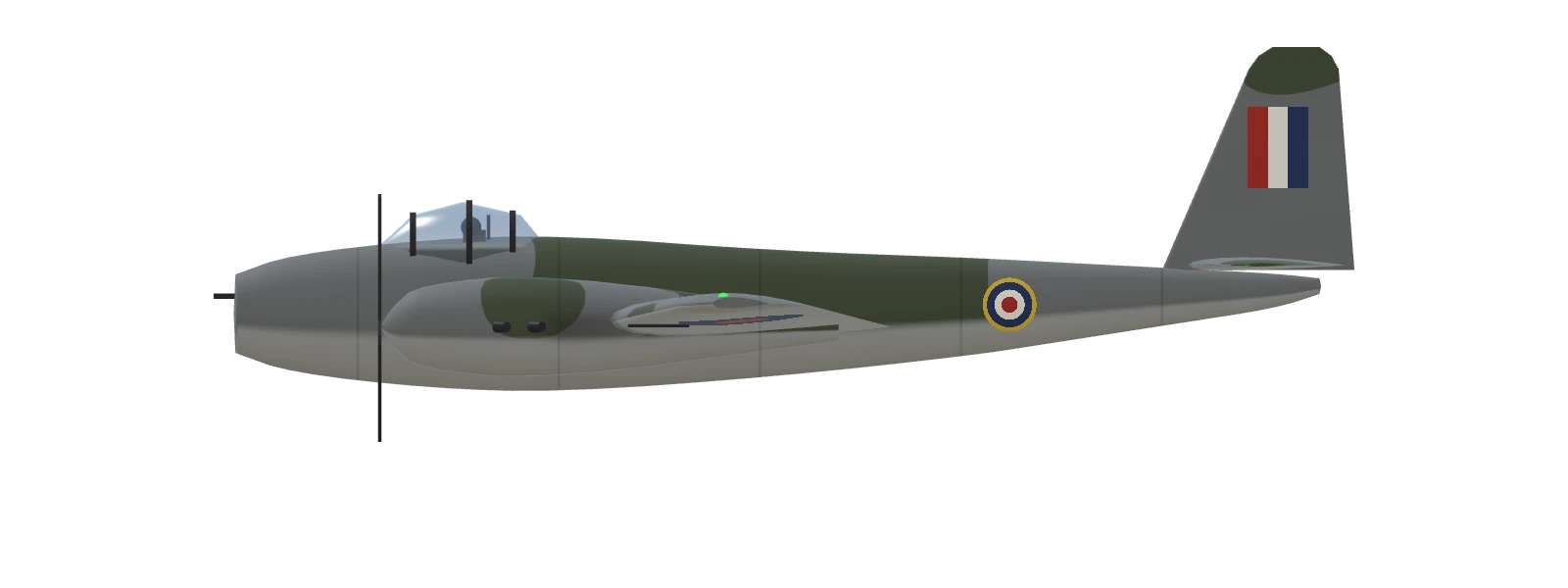
De Havilland proposed a bomber with no defensive turrets that could escape fighters by its speed; the Air Ministry was sceptical at first. The fuselage was made in two half-shells of plywood layers with a balsa core, formed in moulds and then joined. Wood did not use up aluminium, which was scarce in wartime, and furniture workshops could make the parts.
Precise low-level raids
The FB Mk VI fighter-bomber carried four cannon and four machine guns in the nose. Mosquitoes became famous for very precise low-level raids: in February 1944 they breached the walls of Amiens prison in France to help members of the Resistance escape, and they struck Gestapo buildings in Denmark and Norway.
Bomber versions made fast night raids on Germany and served as pathfinders marking targets for the main bomber streams. Radar-equipped night-fighter versions were among the most successful night fighters of the war.
In WarSimBox
In the game it sits in the attack line and fights with energy tactics: it is very fast, and the four 20 mm cannon and four machine guns in its nose are powerful. It can carry 4 × 500 lb bombs, or 8 × RP-3 rockets with 2 × 500 lb. It has no defensive guns and escapes fighters by its speed.
Unlocked in the aircraft tree after researching Ilyushin Il-2M3 (two-seat) and 100-octane fuel.
- Top speed
- 606 km/h · 3,000 m
- Climb
- 15.3 m/s
- Sustained turn
- 21.9 s
- Stall speed
- 164 km/h
These figures come from the game’s flight model (climb, turn and stall at sea level).
Fly it in WarSimBox